April 23, 2026
As semiconductor technologies move into more demanding applications, from defense sensing to quantum computing, engineers are running into the same challenge: getting reliable wafer-level measurements under extreme conditions.
April 23, 2026
As semiconductor technologies move into more demanding applications, from defense sensing to quantum computing, engineers are running into the same challenge: getting reliable wafer-level measurements under extreme conditions.
As semiconductor technologies move into more demanding applications, from defense sensing to quantum computing, engineers are running into the same challenge: getting reliable wafer-level measurements under extreme conditions.
This spring, FormFactor is showcasing its latest innovations at two key industry events, both focused on solving performance challenges at the wafer level, before packaging adds risk.
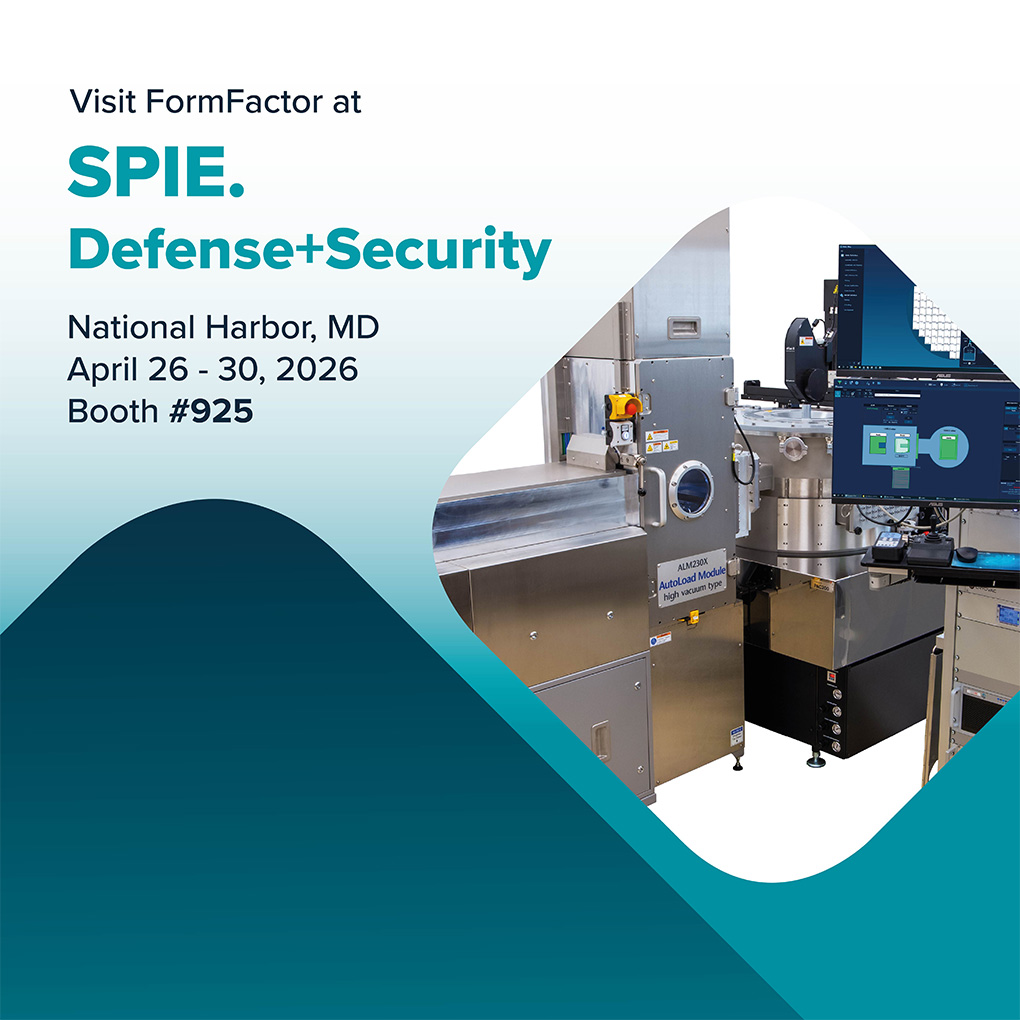
April 26–30 | National Harbor, MD
Booth #925
Defense and commercial sensing applications, especially IR sensors, require stable, contamination-free testing, often at cryogenic temperatures.
At SPIE, FormFactor will highlight solutions that help engineers validate performance early, without second-guessing the data:
Cryogenic probing (PLC50 / PLC50-dry)
Automated cryogenic wafer test (PAC200-auto)
High-vacuum probing (PAV200)
Bottom line: Move from research setups to automated wafer test without losing measurement confidence.
April 28–30 | Adelaide, Australia
Booth #28
As quantum technologies move closer to real-world deployment, cryogenic testing and wafer-level scalability are quickly becoming bottlenecks.
This year’s theme, “The translation of Quantum”, highlights the shift from research to industry. FormFactor solutions are built to help close that gap:
Bottom line: Get repeatable, scalable measurements as you move from quantum research into early manufacturing.
Attending SPIE or Quantum Australia? Stop by and talk with our team about your test challenges, and how to get more out of your wafer test strategy.